What "100% inspection" actually means (and what it doesn't)
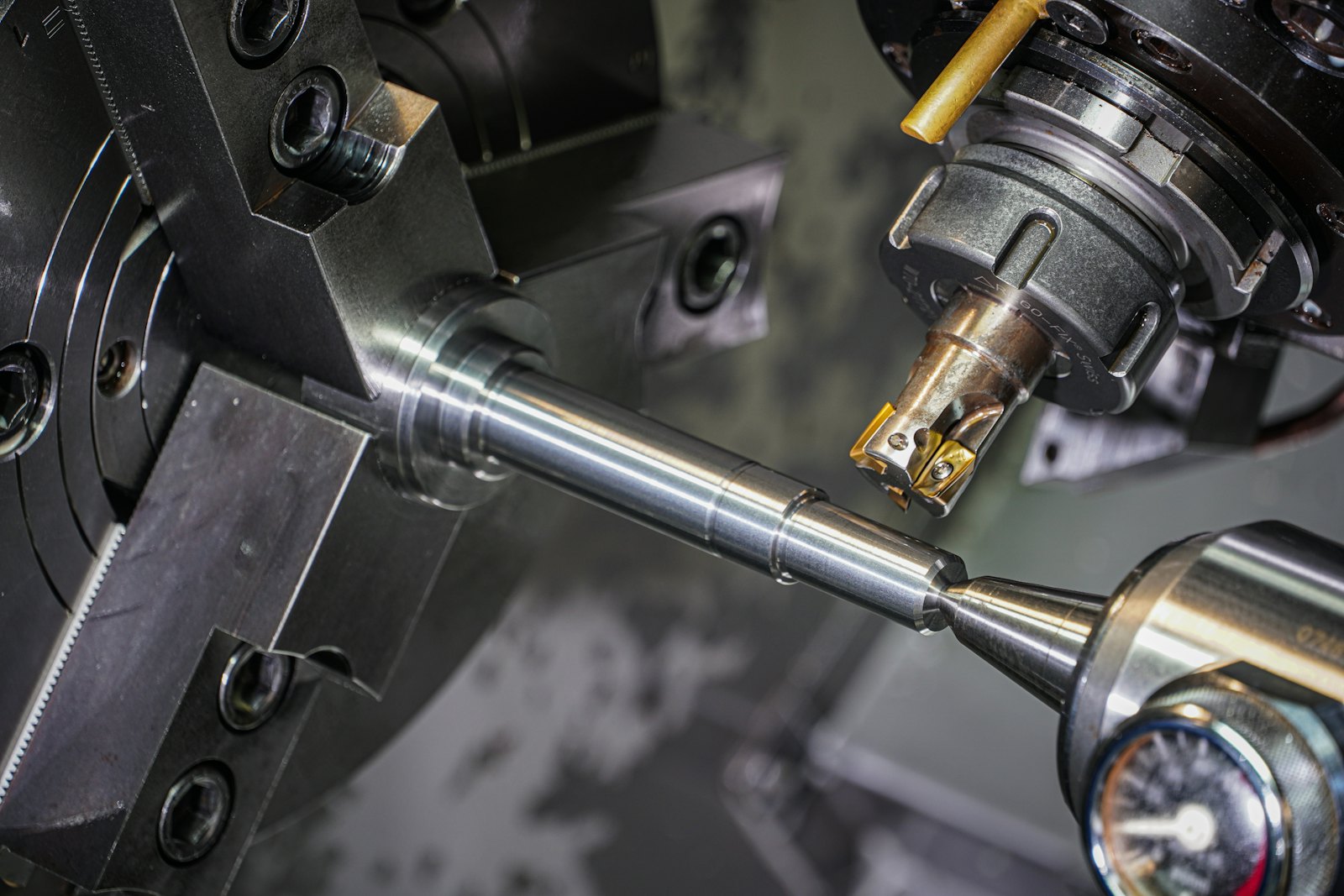
"100% inspection" appears on a lot of quotes in this industry. It's a phrase that has been used for so long that customers nod and move on, and shops keep writing it. But it can mean anything from "we look at every part" to "we hold a calliper to every critical dimension and log the readings." Those aren't the same thing. Here's what it should mean — and what we'd ask if we were the customer.
What it should mean
When we write "100% inspection on critical dimensions" on a Deltisan quote, we mean three concrete things:
- Every single part is checked — not the first piece, not a sample of ten, not "every fifth one once we've settled in." Every one.
- The check uses a calibrated instrument with a known tolerance. Vernier callipers, micrometers, height gauges, bore gauges, and threaded plug gauges are all common. Calibration certificates are kept on file and the instruments are re-calibrated on schedule.
- The result is recorded in a way that ties the measurement to the batch. If you ask three months later why a particular delivery was the way it was, the records exist to look at.
The phrase falls apart without all three. "We checked every part" with an uncalibrated instrument and no records is just a guess.
What it doesn't mean
100% inspection on critical dimensions is not the same as:
- Checking every dimension. Some dimensions on a drawing aren't critical to the function of the part. We agree those at the start so we focus measurement effort where it actually matters.
- Catching every cosmetic flaw. Visual inspection covers cosmetic issues; dimensional inspection covers fit and function. Different process.
- Statistical Process Control (SPC). SPC is a different tool — sampling-based, used for stable repeating production. It's a complement to 100% checking, not a replacement.
Questions worth asking
If you're evaluating a shop and you want to know what their "100% inspection" actually buys you, three good questions to ask:
- Which dimensions are checked, and on what instrument?
- How is the measurement recorded — on paper, in a spreadsheet, or in a system?
- If a delivery has a problem in three months, what records do you have to investigate?
Any shop that is genuinely doing the work will have direct answers. Anyone who is using the phrase as marketing will hesitate.
The why
We do this because it works. Documented inspection isn't about looking professional — it's about catching the one bad part before it ships, and being able to figure out what happened if one slips through anyway. Every customer relationship that has lasted has lasted because both sides could trust the records when something went sideways. That's the whole point.